 Soku AI
Blog
Insights, tutorials, and updates from the Soku AI team.
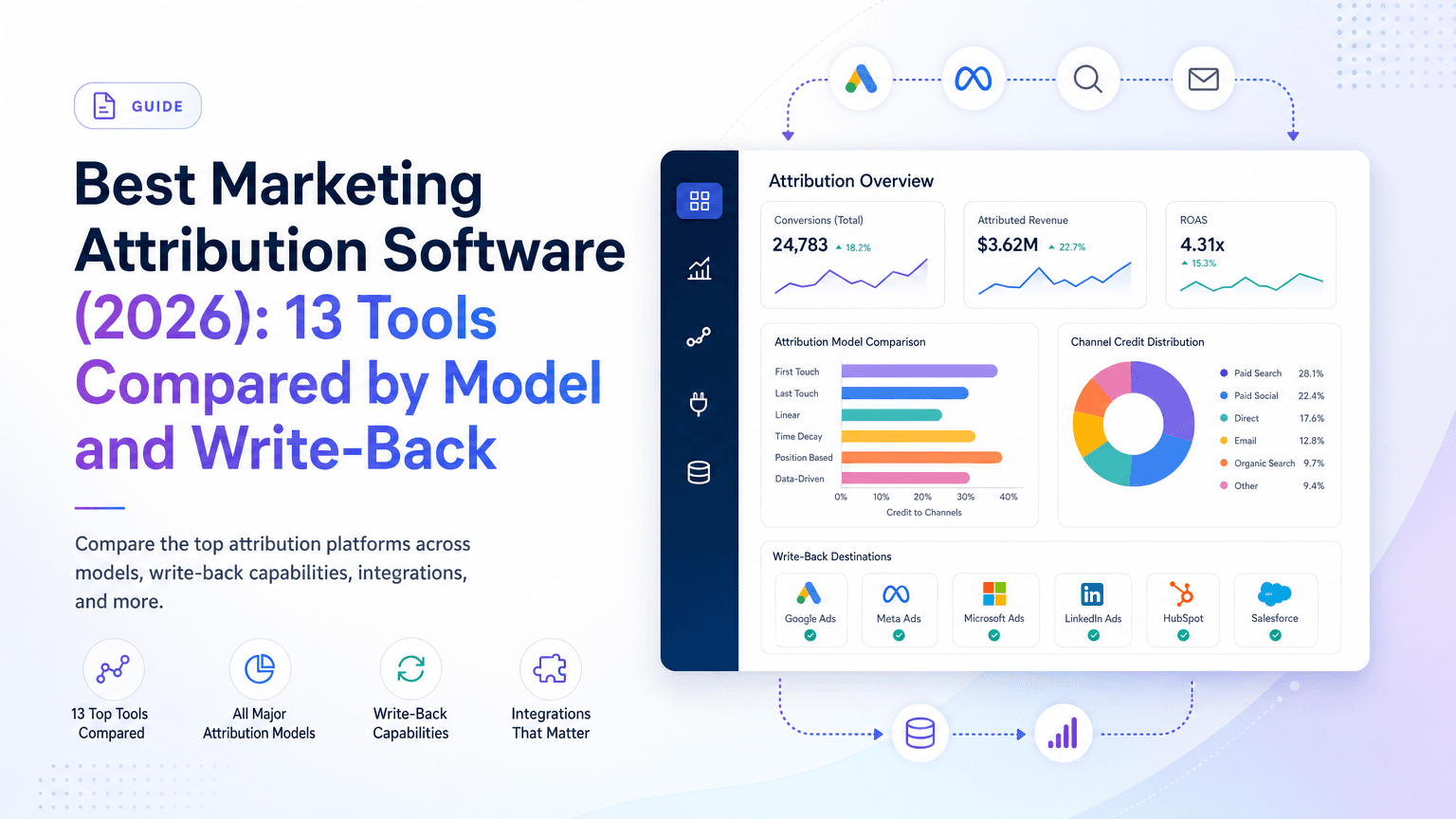
Best Marketing Attribution Software (2026): 13 Tools Compared by Model and Write-Back
A neutral buyer's guide to marketing attribution software, checked against each vendor's own pages on 2026-10-20: Triple Whale, Northbeam, Rockerbox, Hyros, Wicked Reports, Cometly, Ruler Analytics, HockeyStack, Dreamdata, Haus, Measured, Google Meridian and Meta Robyn, compared on MTA, MMM, incrementality, conversion write-back to Meta and Google, and whether the price is published at all.
17 min read · October 20, 2026
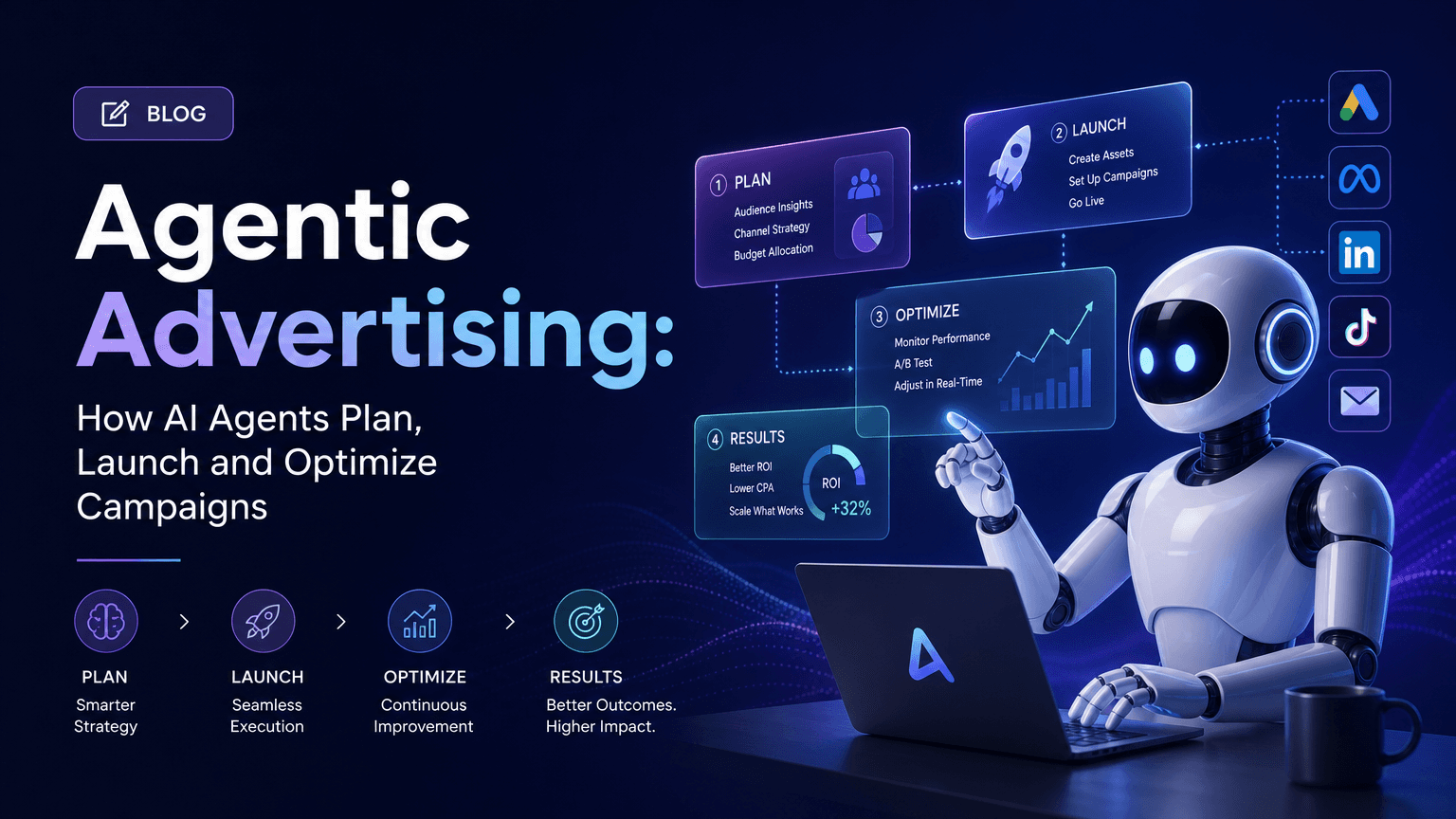
Agentic Advertising: How AI Agents Plan, Launch and Optimize Campaigns
What makes advertising agentic: an AI agent that plans a campaign, launches it through the platform's API and keeps optimizing it against a goal. How Meta, Google, TikTok and OpenAI each shipped an agent surface in 2026, the agent-to-agent standards reshaping programmatic, and a guardrail reference architecture with the real thresholds Soku enforces. Verified 2026-10-19.
18 min read · October 19, 2026
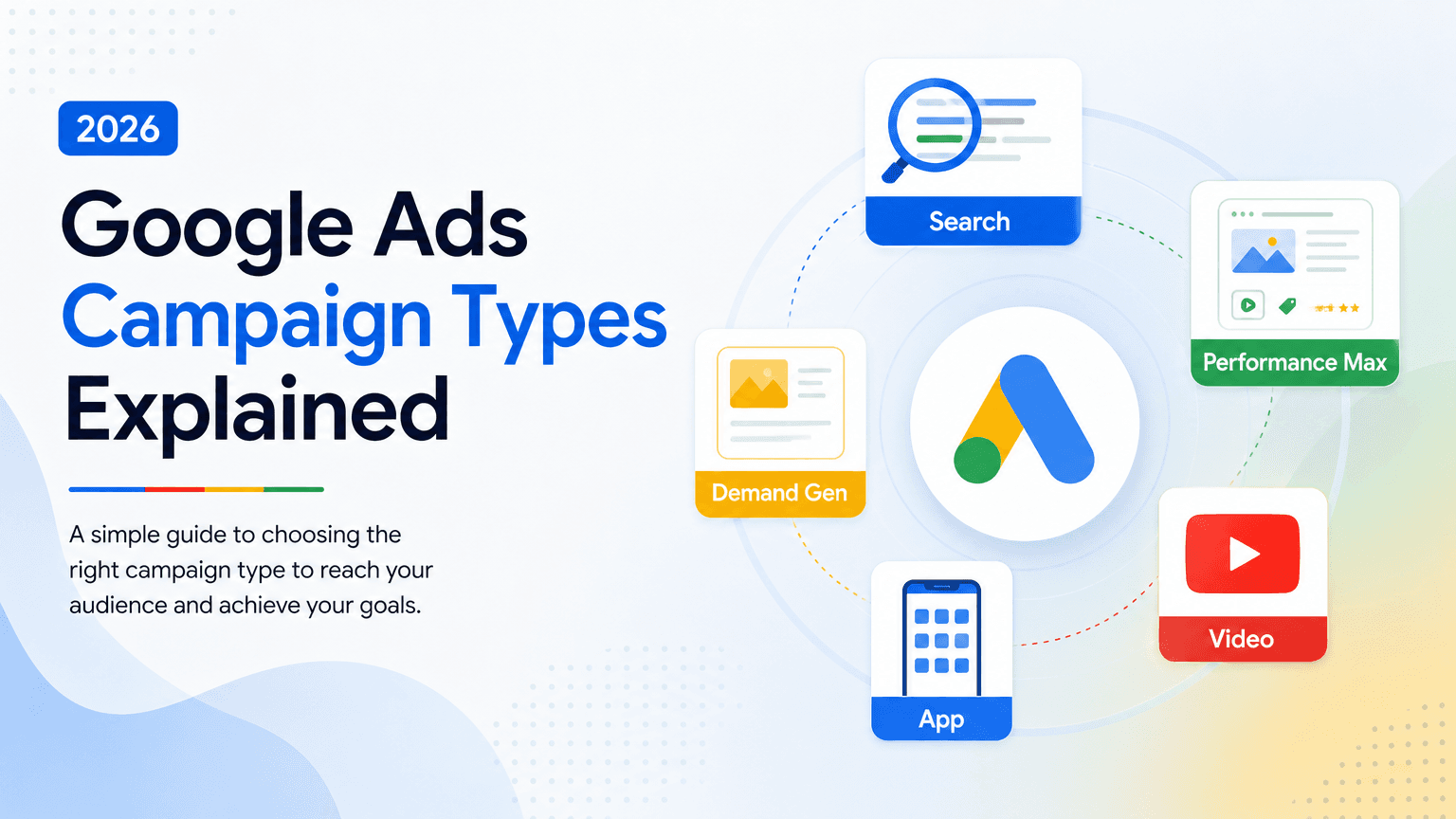
Google Ads Campaign Types Explained (2026): Search, PMax, Demand Gen, Video, App
Every Google Ads campaign type that still exists in 2026, checked against Google's Help Center on 2026-10-19: Search, Performance Max, Demand Gen, Video, Shopping, App, Display and Smart, plus AI Max as a setting rather than a type. Which one to pick by goal, what Google has retired, and which types an AI agent can actually build through the API.
16 min read · October 19, 2026
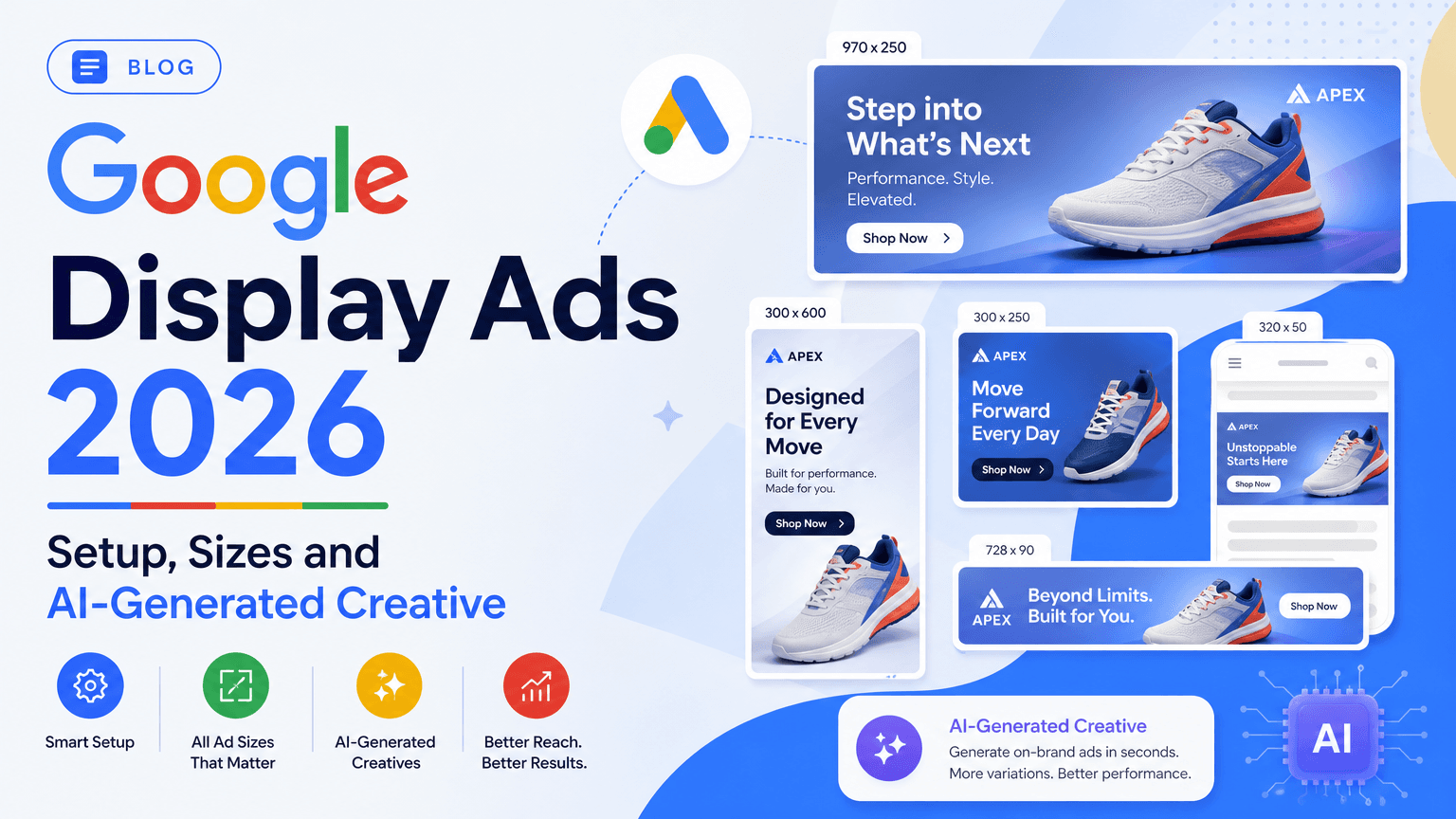
Google Display Ads in 2026: Setup, Sizes and AI-Generated Creative
How Google display ads work in 2026 now that Display is moving into Demand Gen: how to set up a campaign either way, the responsive display ad and Demand Gen asset specs side by side (30 vs 40-character headlines, 1.91:1, 1:1, 4:5, 9:16), targeting, bidding, placements and measurement, plus an asset pack we generated from one brief and what went wrong with it. Verified 2026-10-19.
17 min read · October 19, 2026
What Is Media Buying? A 2026 Guide for In-House and Agency Teams
Media buying is the work of purchasing ad placements and running them against a budget and a goal. This 2026 guide covers media buying vs media planning, the four ways to buy (programmatic guaranteed, deals and auctions, direct IOs, remnant), how Google and Meta auctions actually price ads, CPM vs CPC vs CPA vs CPV, in-house vs agency, the KPIs, a worked budget example, and a Monday-to-Friday media-buying week marked task by task.
19 min read · October 13, 2026
Facebook Ads Agent: Meta's Own AI vs Third-Party Agents (2026)
Every kind of Facebook ads agent compared: Meta's AI business assistant and Advantage+, the official Meta ads MCP server, and third-party agents like Bïrch, Madgicx, Pipeboard, AdManage.ai and Soku. What each can write to your account, who approves it, the audit trail, and prices fetched 2026-10-08.
17 min read · October 8, 2026
Google Ads Agent: What It Can Actually Change and How to Evaluate One (2026)
A Google Ads agent is now three different things: Google's own Ask Advisor, third-party agent platforms, and LLMs wired in over MCP. What each can actually write to your account, the exact API surface behind every change, the approval models, and a 10-question evaluation checklist. Verified 2026-10-06.
16 min read · October 6, 2026
Best DSP Platforms for Advertisers in 2026: What Each One Actually Gives You Access To
Almost no demand-side platform publishes what it costs, so comparing DSPs on price is a dead end. Compare them on what they let you buy instead. A platform-by-platform guide to Amazon DSP, DV360, The Trade Desk, StackAdapt, Yahoo, Microsoft Invest, Viant, Basis and Adform — self-serve versus managed, the one published spend minimum in the category, and the spend level where each starts to make sense. Verified 2026-09-22.
14 min read · September 22, 2026
Best CTV Advertising Platforms, Ranked by How Easily You Can Actually Start (2026)
A ranking of connected TV advertising platforms in 2026 built around the question the listicles avoid: what is the real entry point? Verified published minimums, self-serve versus managed routes, measurement realities and the creative work CTV quietly demands.
13 min read · September 21, 2026
Best Programmatic Advertising Tools: The Full Stack, Layer by Layer (2026)
Programmatic advertising is not one tool, it is seven layers. A practical map of the DSP, SSP, ad server, identity, verification, creative and measurement layers in 2026 — which ones you actually need at your spend level, what each costs, and where teams over-buy.
14 min read · September 21, 2026
Retail Media Networks, Explained for Advertisers (2026)
What a retail media network actually is, why two companies take almost all of the growth, the difference between on-site, off-site and in-store inventory, how the measurement is genuinely better and quietly self-marked, and how to decide whether an RMN belongs in your plan.
13 min read · September 21, 2026
ChatGPT Ads Policy v1.6: OpenAI Can Now Decline Advertisers Over Its Own Competitive Position
On 2026-09-10 OpenAI published v1.6 of its Ad Policies. The discretionary-refusal clause grew from refusing ad content to declining, restricting or removing advertisers — and now names business interests and competitive position as grounds. The exact before-and-after wording, who is actually exposed, what the documentation still does not say, and the four developer-doc changes that shipped in the same window.
13 min read · September 14, 2026